
Effective Utilisation of Match Reports
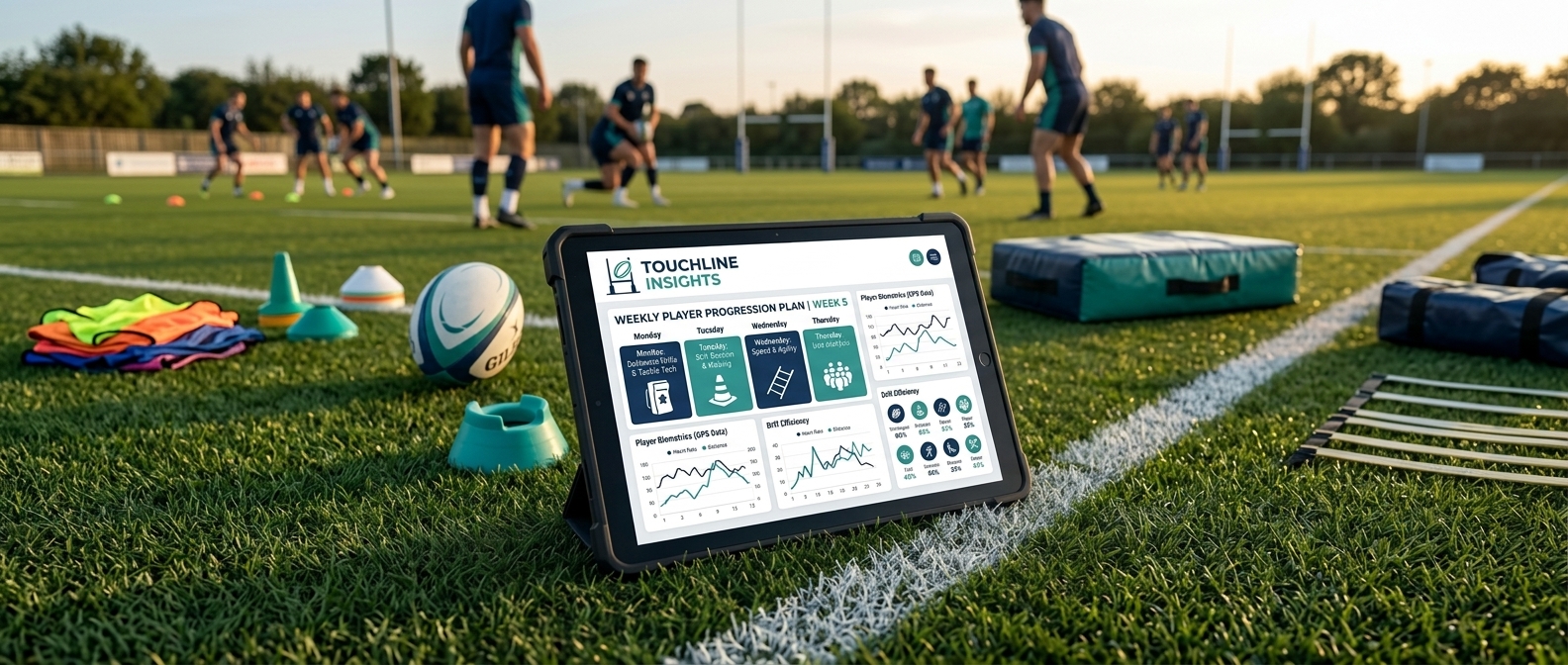
Data is only as valuable as how it is applied. Touchline Insights is designed, not only to record what has happened on the pitch, but to help teams improve their performance week after week
This guide will breakdown how coaches can use the Match Report in the most effective way that will benefit themselves, the team and the players. Make sure you have read through the Understanding Match Reports for more information on how the Match Reports work and how Touchline Insights creates them
Overview
In the hours following a game, emotions can run high and memories can be subjective. The Match Report is an assistive tool to help ground your initial review in objective, statistical facts. Coaches should first focus on the overarching stats before diving into the contextual details. The statistical insights are calculated without any context of in-game events. The feedback and suggestions created are to be used as a tool, not as gospel
Touchline Insights, by design, removes player specific recording and promotes team targetted improvements. This prevents players feeling singled out or humiliated. Coaches should take this into account
Disclaimer
Coaches are reminded that these reports take raw data that has been provided by coaches without any in game context. Some training advice or noted improvements may not be completely relevant to the team and, as such, all feedback should be reviewed and scrutinised before implementing into training sessions or player directed feedback. Coaches have a requirement to protect player welfare, whether that be socially, physiologically, psychologically, emotionally or mentally, and any feedback to the players should be carefully thought through
Player welfare must always be put at the heart of the game. Prevention is better than a cure, coaches and players have a responsibility to look after their own and other player's welfare and safety
Try / Endurance Insights
This data can be a direct reflection of a team's mental readiness and physical conditioning. Early concessions may hint to players needing further motivation or additional match start confidence, whereas, late concessions hint towards fitness and fatigue. These sections are not a single week fix, but can be improved through consistency and repitition
Kicking Insights
Kicking can be as complex or as simple as a kicker wants it to be. Routines, timings and weather conditions can all play a factor, so coaches must take all of the above into account when implementing training sessions to iomprove these areas
Penalty / Discipline Insights
Discipline can often be the difference between winning and loosing a match. They often highlight larger issues of weakness or confusion within a team and context is a significant factor in deciding training adjustments
Handling Insights
This area can often be correcting in short, high-intensity training blocks aimed at improving cognitive funtion whilst fatigued. Technique and fatigue are often the key factors that contritbute to handling errors
Lineout Insights
Unit blocks seperating the forwards and backs can often provide coaches with ample opportunities to correct and work on lineout calls and technique. These should be conducted with timing and competition taken into account
Scrum Insights
Unit blocks seperating the forwards and backs can often provide coaches with ample opportunities to correct and work on scrumaging. There is a significant difference between technical failure from raw power deficits and this must be carefully considered prior to any training plans due to the high potential for injury